We’ll be honest with you, readers, we’re not looking forward to 2017 one little bit. It’s going to be the most tedious year in Scottish politics since we started this website, and perhaps since the advent of devolution.
Other than the mild distraction of the council elections in May – which are likely to be a bit of a damp squib due to the deadening effect of STV and the propensity of Labour and the Tories to do deals to keep the SNP out of power – pretty much nothing even a little bit interesting is going to happen.
All we ARE going to hear about is Brexit and the EU, over and over and over and over again, and everything we’re going to hear is the same empty, pointless, space-filling speculation we’ve already been hearing since June. So let’s just get it down, and then we can link to it every week and go and do something useful with our time instead.
Particularly alert readers may recall a phenomenon we haven’t covered much recently, whereby aspects of politics magically transform as they cross the border between Scotland and the rest of the UK. But this week we’ve had a sighting in a new area.
Unionists got very excited last week about a YouGov poll for the Times which showed that not only had the post-Brexit bump in support for independence been undone, but that it was now (fractionally) below the level recorded in the indyref for the first time since the September 2014 vote.
(It was a slightly curious poll, with a massively disproportionate number – over 27% – of its respondents born outside Scotland, mostly from the rest of the UK, but it was weighted so that shouldn’t have been much of a factor. It also found majority support for a second EU referendum, despite a 30-point margin for Remain, but opposition to a second indyref despite the margin for the Union being just 12 points.)
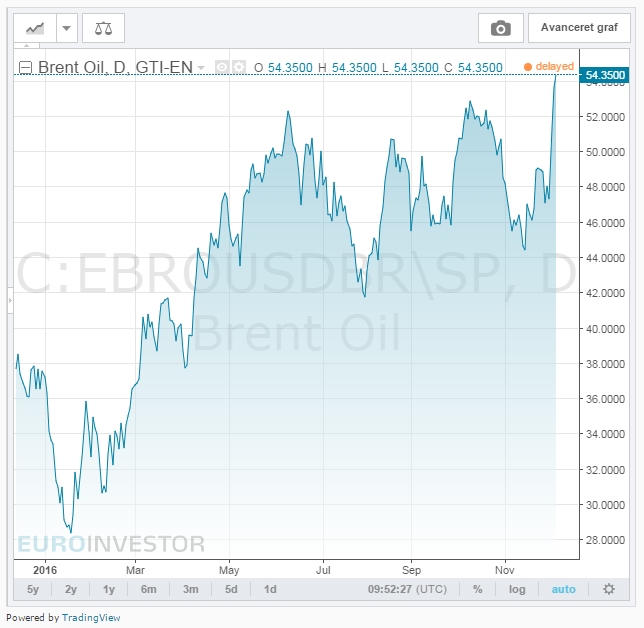
Nevertheless, given that nothing’s happened since the end of June that ought to have damaged the case for Yes (the oil price is currently at a 12-month high, for example, almost twice what it was in January), the 10% drop in support is a troubling one for the independence movement.
But it shouldn’t be. Because what the poll shows is that there is currently a majority of people in Scotland prepared to vote for independence.
The Prime Minister of the UK, whose party has one MP in Scotland, officially tells the Commons that she doesn’t believe people on benefits should be able to survive.
There’s been a running theme recently on Unionist social media.
It’s the claim that the No vote in 2014 was an anomaly – a rare victory of progressive, internationalist, inclusive politics over the anti-establishment, isolationist, separatist tone that won out in the EU referendum and now the election of Donald Trump.
Of course, the alternative view is rather simpler – that perhaps the forces that won the EU referendum and 2016 presidency also won the independence referendum.
Regular readers of this site will be impressed, if perhaps less than astonished, at the new high score achieved this week in the timeless game of McTernan Predicts:
There’s a very interesting blog by Douglas Fraser on the BBC website today, pointing out exactly how vague and non-committal yesterday’s “announcement” by UK defence secretary Sir Michael Fallon regarding the long-awaited order of a reduced number of Type 26 frigates for the BAE shipyards in Govan was.
It might explain this extraordinary interview Fallon (alongside a very bad-tempered and unnamed PR goon), gave to Bernard Ponsonby on the evening’s STV News.
What actually happened yesterday was the removal of the threat of blackmail against a Yes vote that had been made against the yards in 2014, and endlessly exploited by the No campaign. The UK government stalled desperately to keep the orders as a bargaining chip in the indyref, not anticipating the prospect of a second one.
But they can’t be delayed forever, and once the orders are in place any possibility of cancelling them is effectively at an end, for a whole slew of mainly extremely obvious reasons. After Fallon had scurried away from him in fear, Ponsonby revealed what the Secretary of State had tried to avoid admitting:
“BAE confirmed to STV News that there is nothing in the contract that would prevent work continuing on the Clyde in the event of a Yes vote in another referendum.”
But Fallon’s toe-curling evasiveness, which finally saw him reduced to hiding behind the skirts of a sour-faced PR woman, had already made that fact clearer than any straight answer could ever have done.
James on The Love Of Big Brother: “So, Adrian; “The right to self-determination is indeed universal and inalienable…” Except for Scotland. Need the crossword clue again, brains?” Oct 6, 12:41
Alf Baird on There May Be Justice: ““No judiciary or legal establishment has ever been about justice for the plebs” Valid point, Angus. However the reality might…” Oct 6, 11:58
Hatey McHateface on There May Be Justice: “Good point, MH, and approximately 43.8% true. Have a word with one of the New Scots who arrived last week…” Oct 6, 10:40
Minceheid on There May Be Justice: “Hatey McHateface says: 6 October, 2026 at 9:20 am The rest of us have been enjoying free health care Eh?…” Oct 6, 09:55
Hatey McHateface on There May Be Justice: “If it’s true that Scotland’s judiciary and legal establishment were world renowned, it can only have been during Scotland’s most…” Oct 6, 09:31
Hatey McHateface on There May Be Justice: ““Have the plebs ever benefited from fighting and dying for the elites?” I guess not you, Angus. Shame. The rest…” Oct 6, 09:20
McDuff on There May Be Justice: “How does it go ………..”When good men do nothing”. Well good men and women are doing something. Respect and thanks…” Oct 6, 09:05
Spartan 117 on There May Be Justice: “Great to see this issue transcending politics and uniting people, just goes to show people do still care for integrity…” Oct 6, 07:57
Angus on There May Be Justice: ““the credibility and respect that Scotland’s judiciary and legal establishment were world renowned for” No judiciary or legal establishment has…” Oct 6, 04:23
twathater on There May Be Justice: “Thank you and the legal Eagles supporting you and us on this challenge to corruption and lies within the legal…” Oct 6, 02:02
Hatey McHateface on There May Be Justice: “Quote Cesaire until the cows come home, Alf, it won’t undo the fact you selectively cropped Northy’s post to change…” Oct 5, 21:56
Alf Baird on There May Be Justice: “That’s quite a meaningless diversion even for ‘an operator’ like you Hatey. The obvious reality here is that Scotland is…” Oct 5, 21:36
Rev. Stuart Campbell on There May Be Justice: “I’m in touch with Paul, but he’s not an ATM. He’s been supportive and we’ll see where we are if…” Oct 5, 21:08
100%Yes on There May Be Justice: “Who can blame him, I wish him well and thank Bruce for all he’s done. grumpyscottishman.wordpress.com is no longer available.…” Oct 5, 20:43
Hatey McHateface on The Love Of Big Brother: “The cheek of her to complain. When she’s looking so well, hale and hearty on the very fare she’s complaining…” Oct 5, 19:59
Hatey McHateface on There May Be Justice: “Your selectively cropped quotation is blindingly obvious, Alf. Not quite the best way for an academic to impress his peers.…” Oct 5, 19:54
Dickie on There May Be Justice: “Ever considered contacting Paul McManus?” Oct 5, 19:54
Aidan on The Love Of Big Brother: “The right to self-determination is indeed universal and inalienable, but outside of a military occupation or colonialism (neither of which…” Oct 5, 19:49
Hatey McHateface on The Love Of Big Brother: “Which is going to break up first then, Alf? The UK or Orcland?” Oct 5, 19:14
Alf Baird on There May Be Justice: ““Scotland is the mess it is because it isn’t independent” Indeed so. Colonialism is ‘a Manichaean world’ (Fanon) where light…” Oct 5, 19:14
Hatey McHateface on There May Be Justice: “Don’t waste your time. The list of independent, corrupt countries is longer than both your arms.” Oct 5, 19:10
Hatey McHateface on The Love Of Big Brother: “Very happy indeed to be a white man, Confused. Equally happy for you to self identify as something inferior. Long…” Oct 5, 19:00
Al-Stuart on There May Be Justice: “. The whimpering sound of something curled up in a mingin, damp, dirty corner is wee James Kelly crying himself…” Oct 5, 18:55
Alf Baird on The Love Of Big Brother: “” Article 2 guarantees the territorial integrity and political independence of all member states.” Which only applies if the state…” Oct 5, 18:50
Lorncal on The Love Of Big Brother: “H McH: we have had a nationalist government for around 20 years of over 300 years in the Union, so,…” Oct 5, 18:38
Dave on There May Be Justice: “The SNP’s entire raison d’être and defining mission should have always been about just one thing: independence for Scotland. However,…” Oct 5, 17:32
100%Yes on There May Be Justice: “Well done Rev. Hopefully history being made.” Oct 5, 17:21
Fearghas MacFhionnlaigh on There May Be Justice: “Attempt at a Gaelic version of the above – AN RÒS BEAG GEAL Chan eil mo shùil air ròs an…” Oct 5, 17:12
Northcode on There May Be Justice: “For those interested, a Scottish judicial review typically takes 6–18 months from lodging the petition to a final decision, depending…” Oct 5, 17:05
Rev. Stuart Campbell on In The Eyes Of The Law: “For the reasons explained in last week’s post about it. Does anyone bother reading past the fucking headline?” Oct 5, 16:22