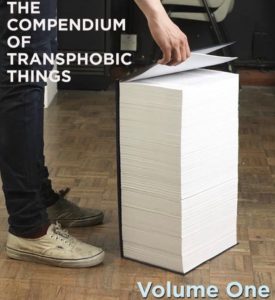
As the SNP burns down around their ears, nothing stops the gravy bus. But even as they gallivant gaily around another “Tartan Week” junket in the USA, one might have thought the Constitution Minister would have shied away from this particular photo-op.

Let’s find out why.
Read the rest of this entry →
Category
analysis, corruption, disturbing, investigation, scottish politics
Alert readers may be familiar with the market research and polling company Progress Scotland. Readers of The National certainly will be, as the semi-newspaper has run over 120 stories about it, most of them around the company’s creation in early 2019.

The company was formed by Angus Robertson, at the time an unemployed former SNP MP after he lost his Moray seat in the 2017 election, and its stated goal was to persuade those not yet fully decided.
Read the rest of this entry →
Category
analysis, corruption, investigation, scottish politics
So it turned out there was very little new information in this story.

But the tiny bit there was raises an extremely disproportionate number of issues.
Read the rest of this entry →
Category
analysis, corruption, investigation, scottish politics
So let’s just recap where we are with this.

Because it really doesn’t look very good.
Read the rest of this entry →
Category
analysis, corruption, disturbing, investigation, scottish politics
On a day like today, all an honest person can really do with the Scottish National Party is make like Pontius Pilate and wash their hands of it.

Because there ain’t no resurrection from this.
Read the rest of this entry →
Category
analysis, apocalypse, comment, scottish politics, transcult, wtf
Well, what an odd day that’s been.

Because for a start, if you’re the one person in Scotland who believes the above, please drop us a line. We’d love to have a chat with you.
Read the rest of this entry →
Category
analysis, investigation, scottish politics
So a week and a bit after the deadline, this arrived.

And it’s not quite what you were told before.
Read the rest of this entry →
Category
analysis, investigation, scottish politics
Scottish politics might be a binfire floating down an overflowing sewer, but it’s nice to know there are at least a few things that are reliable constants, and one of them is that George Foulkes is an idiot.

But while his tweet is wrong, it’s not VERY wrong.
Read the rest of this entry →
Category
analysis, comment, scottish politics
To be honest, Humza Yousaf’s new Cabinet satirises itself – everyone’s picking on the absurdity of noted idiot Shona Robison becoming Finance Secretary but the funniest is surely omnifailure Shirley-Anne Somerville as Trans Rights – sorry, “Social Justice” Secretary – so rather than waste our breath on it today we’re going to catch up on some results from our latest Panelbase poll that we haven’t managed to squeeze in amid the mayhem of the last couple of weeks.

They tell us some interesting things about the Scotland the new FM now leads.
Read the rest of this entry →
Tags: poll
Category
analysis, comment, scottish politics
Well, we’re off to a flying start.

This is certainly what the public want. So let’s see his plans.
Read the rest of this entry →
Category
analysis, comment, idiots, scottish politics
The beam on Kate Forbes’ face was quite something.


She’d clearly been exhausted by the contest some time ago, and must have been dreading winning and having to continue fighting the assault from within her own party. Her evident delight and relief at her own failure was a revealing moment.
The great unknown in this election was just who the SNP membership was. No poll could tell us, and with over 50,000 people having quit the party in the last three years, nobody knew who was left. But we know now: idiots.
Read the rest of this entry →
Category
analysis, comment, idiots, scottish politics
Today is the last day of Nicola Sturgeon’s record-breaking reign as First Minister of Scotland. In a few hours we’ll know who is to succeed her in the role. She was only the second SNP occupant of Bute House, and the legacy she bequeaths compared to the one she inherited from Alex Salmond is a matter of measureable record.

So let’s see the final scores on the doors.
Read the rest of this entry →
Category
analysis, debunks, history, scottish politics, stats