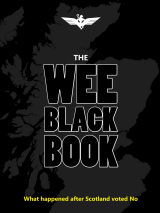
We’ve taken quite a lot of cold medication this week, readers, and it’s caused us to have a bit of an epiphany. We’ve realised that our constant advocacy of independence is a recklessly optimistic position which takes no account of the very real dangers of separating Scotland from the rest of the UK (and the world), and that in order to be responsible citizens we ought to present a more balanced picture.

We’ve decided, therefore, to use this page to keep track of the numerous and often serious potential consequences of a Yes vote in 2014, as helpfully pointed out by our concerned countrymen south of the border and the cooler heads in our own land.
Read the rest of this entry →
Tags: project fear, the positive case for the union
Category
analysis, disturbing, scottish politics
There’s been a large depression hanging over the area around Wings Over Scotland Mansions since last night, exacerbated by the fact that Craig Levein STILL hasn’t resigned or been fired. We’ve also not quite shaken off our cold yet, and the overall result is that we just can’t summon the strength to write anything today. In an attempt to lift the gloom, here’s a picture of Metal Mickey in the meantime.

Normal service should be resumed tomorrow. Chat amongst yourselves until then in the comments. Anything we should be talking about? Any good jokes? Let us know.
Category
pictures
We wrote the original version of this feature a month and four days ago, pleading for Craig Levein to be sacked as Scotland manager before it was too late. Now it’s too late. It’s later than it’s ever been. Sometimes it sucks to be right.
Read the rest of this entry →
Category
football, stats
It’s probably fair to say that the opposition parties in the Scottish Parliament have reacted badly to the SNP’s victory in two consecutive Holyrood elections, especially the 2011 one in which the nationalists secured an unprecedented overall majority. Scottish Labour in particular has never really fully come to terms with its rejection by the electorate in a place where it has regarded power as a birthright for half a century, as can be seen by its constant demands to be consulted over legislation despite the voters unequivocally choosing to exclude the party from government and placing their trust in the SNP alone until at least 2016.
Despite enacting some highly controversial policies in its first 18 months as a majority (minimum pricing, the anti-sectarianism bill and equal-marriage legislation), polls consistently suggest that if anything, the gap in popularity between the SNP and Labour is growing as Johann Lamont’s party indulges in factional infighting and alienates its core voters by adopting neoliberal policies from its UK parent.

Meanwhile, the Tories continue to flatline in Scotland as they’ve done for most of a generation, and the Lib Dems suffer the consequences of a massively unpopular Westminster coalition and a third successive leader who seems more consumed by hatred of the SNP than any commitment to seeing his own party’s policies advanced.
So it shouldn’t come as a great surprise to any passing neutral observer that the Scottish opposition has all but given up on any hope of defeating Alex Salmond democratically at the ballot box, and quietly embarked instead on a new strategy: to steal power from the nationalists by bypassing Holyrood altogether.
Read the rest of this entry →
Tags: devo minus, vote no get nothing
Category
analysis
From the BBC’s “at a glance guide to the referendum agreement” feature, written by the Corporation’s political reporter Andrew Black:

What the agreement actually says, if you bother to read it properly:

(Severin Carrell of the Guardian made the same mistake, incidentally. We’ve let Mr Black know, and we’ll watch with interest to see if the BBC corrects its error as quickly as Mr Carrell did when we pointed it out to him. EDIT: the article has now been fixed, but with no acknowledgement of the fact and with the “last edited” timestamp at the top of the page not changed. Naughty, BBC.)
We don’t want to be too obnoxious about it – heaven knows we can all get a bit mixed-up now and again amid the heat and chaos of battle – but the matter of who conducts the referendum seems to us to be a fairly important one to get right first time. You know where to come if you want things reported accurately, readers.
Category
comment, media, scottish politics, uk politics
So that’s that, then. There’s going to be a referendum on independence, with no legal challenges. The entire Scottish media’s about to be choked with analyses of the 30-paragraph agreement signed today by Alex Salmond, David Cameron, Nicola Sturgeon and Michael Moore, so we’re going to aim for the most concise one.
Read the rest of this entry →
Tags: embragreement
Category
analysis, scottish politics, uk politics
We’ve noted before that it’s both naive and unreasonable to expect the BBC to be impartial with regard to Scottish independence. The Corporation has a direct vested interest in the status quo, partly financial and partly self-preservation. It’s important, when watching BBC Scotland in particular, to keep in mind that independence will mean the journalists, producers etc in question losing their jobs and careers.
(They would, of course, in theory be able to join any replacement state broadcaster, but it’s fair to say that many of them have already burned their bridges in that respect.)
If you think that’s a little paranoid, have a listen to these two short interviews by (we think) Auntie Beeb’s chief political correspondent Norman Smith, which are currently being looped on the BBC website in the absence of any developments in the meeting between Alex Salmond and David Cameron.
Interview with Michael Moore
Interview with Nicola Sturgeon
Does the tone and content of the questioning strike you as fair and balanced? Or does one interviewee get, let’s say, a rather more sympathetic and less confrontational hearing than the other? We wouldn’t like to say. You call it.
Category
analysis, audio, media, scottish politics, uk politics
There’s an intriguing story in the Sunday Times today, which quotes the Conservative former Scottish Secretary Michael Forsyth describing the Prime Minister as “Pontius Pilate” and granting the First Minister “a walkover” in respect of the negotiations over the independence referendum, which are apparently to be finally concluded with the signing of an agreement in Edinburgh tomorrow.
We;ve attached the full story below so you can have a wee keek through the Times’ paywall and read it for yourself. But we can’t help wondering: if the PM is Pontius Pilate in this analogy, then who is Alex Salmond?
Read the rest of this entry →
Category
analysis, media, scottish politics, uk politics
The latest circulation figures for newspapers in Scotland are out, and frankly there’s little point in analysing them in any great detail as the results are pretty much identical to the last time we did it. That is, everything except the i is going down the toilet, the Scottish Sun is continuing to pull further and further ahead of the Daily Record, and its new Sunday edition is breathing ever-closer down the neck of the Record’s sister paper the Sunday Mail, which shed almost a quarter of its readers in the last year.
As with the previous figures, most publications have seen 12-month drops in the range of 10%-25%, what you might broadly term “right-wing” papers have held up slightly better than more left-wing ones, and several have monthly readership figures lower than the monthly number of unique visitors to this humble website.
We’ll pause only to wonder whether there might be some sort of a connection between the generally-worse performance of the left-wing papers and the fact that the parties they support are increasingly abandoning the traditional left-wing values of their readers (while the Sun, which backs the most left-wing major party in Scotland, is doing rather better despite the supposed “toxicity” of its owner), and leave it at that.
Category
analysis, media