The first novel I remember reading is “The Hitch-Hiker’s Guide To The Galaxy”, shortly after it came out in 1979. I was 12, and it had a huge and lasting effect on me – it was the first thing that made me want to be a writer, and both Adams’ writing style and the worldview it deftly illustrated have been lifelong influences.
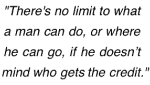
Almost every line in the book is great, but this one always stuck with me:

And so to the last of the results from our current poll.
Read the rest of this entry →
Tags: poll
Category
analysis, scottish politics
Our feather-ruffling Panelbase poll of SNP voters is now almost at an end, with only one further revelation to come tomorrow. So we thought it was worth taking a moment for a little bit of closer examination of just who the respondents were.

We know, of course, that the criteria for the sample was people who said they currently intend to vote for the SNP with their constituency vote at the next Scottish Parliament election in 2021. But what else do we know about them?
Read the rest of this entry →
Tags: poll
Category
analysis, europe, scottish politics
A certain independence blog has written FIFTEEN articles in the last month-and-a-bit about Wings, with a steadily-increasing tone of purple-faced rage, since we passingly suggested the idea of setting up a 2021 Holyrood list party if and only if the SNP had failed to deliver a second independence referendum by then.

Now, we do understand and empathise. There’s really not a lot to talk about in Scottish politics at the moment, with the political scene having been utterly consumed by Brexit for the last two years, and trying to attribute significance to some piddly meaningless subsamples of UK-wide polls can only take you so far.
But since over the past few days we’ve been starting to fear that they might have some sort of aneurysm if they get any more wound up, we suppose we ought to finally reveal the results from the first of a series of polling questions we’re intending to ask on the subject of the notional party.
Read the rest of this entry →
Tags: poll
Category
analysis, scottish politics
Her lips move.
On 21 June 2019 she said this:

But today we learned what happened in July 2019, literally just days later:

Ah, classic Kez.
Read the rest of this entry →
Tags: and finally
Category
comment, scottish politics
Our latest Panelbase poll, conducted exclusively among SNP voters, has proven to be the most controversial we’ve ever done. So let’s see if we can get things back onto some nice safe ground: the transgender debate. (“Oh no!” – everyone)

Pictured above, front right, at the recent Dundee Pride is Shirley-Anne Somerville, the cabinet minister in charge of the second public “consultation” being held on the Scottish Government’s transgender policy. Somerville told the event that regardless of the consultation’s outcome she planned to press ahead with the “self-ID” proposals anyway, and that “trans women are women and trans men are men”. She’s almost literally nailed her colours to the mast in advance of the results – she’s wearing a jumper in the blue, pink and white horizontal stripes of the transgender flag.
And the issue of whether people with penises should be allowed to declare themselves women purely on their own say-so and access all female-only spaces unchallenged is one that’s currently tearing the SNP in two.
Read the rest of this entry →
Category
analysis, scottish politics, transcult
It’s been quite the week so far. For the vile and sickening crime of [check notes] finding out what SNP voters were thinking about the important political issues of the moment, we’ve had (especially on Facebook) a two-day barrage of stuff like this, and worse:

So, y’know, on with what we always do: reporting the facts.
Read the rest of this entry →
Tags: poll
Category
analysis, europe, scottish politics, uk politics
Yesterday’s poll results attracted quite a surprising amount of anger from people who apparently don’t consider it at all important to the cause of independence to find out what people intending to vote SNP at the next Holyrood election think.
They’re probably not going to like these ones much either.

A third of SNP voters are unconvinced by the First Minister’s constant assurances that a second indyref will be delivered in the next 18 months. But the related question posed by several readers yesterday was “If you don’t think the SNP has a coherent strategy for securing a new vote, what would YOU do, Mister Smartypants?”
Which is annoying, because it’s a question we’ve answered in various contexts half a dozen times in the past year and a bit. So we thought we’d see if voters had been paying any more attention.
Read the rest of this entry →
Tags: poll
Category
analysis, europe, scottish politics, uk politics
This site has repeatedly – much to the displeasure of some readers – expressed the view in 2019 that the SNP doesn’t know what it’s doing with regard to Brexit. But it turns out we’re not the only people who feel that way.
Last week we commissioned a Panelbase poll of SNP voters only (specifically those currently planning to use their Holyrood constituency vote for the party in 2021), and these were the results.

In other words, nobody has a clue what the goal is, let alone the strategy.
Read the rest of this entry →
Tags: poll
Category
analysis, europe, scottish politics
So we’ve done a new poll, and this one’s a little different than usual. The sample was 1007 Scottish voters who said they would vote SNP with their constituency vote at the next Holyrood election.
Which makes these findings pretty interesting.

The fact that 10% of SNP voters would either vote No in a new indyref or aren’t sure isn’t the surprising part – in fact those numbers are unusually low for that question. Historically around 15-20% of SNP voters have been opposed to independence. While that seems mad, they simply feel that the party are the best option for running the Scottish Government and are willing to gamble that independence won’t happen.
The curious part is the significant proportion of the sample – 15% – that voted No in 2014 but supports the SNP now, but of which only two-thirds has also come over to Yes. At a time when Scottish politics is supposedly completely polarised around the constitution, and when cracks are beginning to show in the party’s domestic record (under, it should be said, very difficult circumstances) and the First Minister’s personal approval ratings struggle to register a net positive, significant numbers of people still appear to be switching to them, yet are unconvinced about independence, yet the party’s voters as a whole are becoming MORE strongly pro-indy rather than less.
And if you think THAT’S confusing, folks, wait till you see the rest of the poll.
Tags: poll
Category
analysis, scottish politics
Yeah, we know we haven’t had a post up in days. What is there to say? The news is nothing but repeats. Anyone got any questions? Know any good jokes?

Category
misc
He’s got no right to shoot from there.

There’s less than half an hour to go and we’re holding the previous year’s World Cup finalists on their own patch. A point would be a great result, but we’ve got men up. Try to thread it through on the left. Turn, hold it up for a second and knock it out wide to the overlap on the right and get forward for a cross or a cutback. If we just wait, if we take it slow, the situation can only get better for us.
But definitely don’t waste it on a wild, optimistic punt.
Right?
Read the rest of this entry →
Tags: soapbox
Category
analysis, comment, football, scottish politics