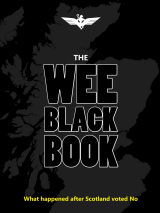
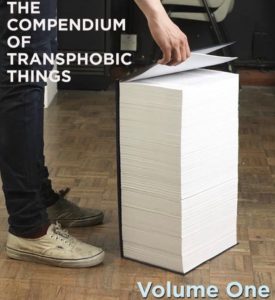
It’s indescribably beautiful that the No camp’s much-trailed “500 questions” PDF about independence actually features 507. At least they’re getting their arithmetic wrong downwards for a change. When all those are answered they promise hundreds and hundreds more, so we thought we’d give them a head start on Volume 2.

Read the rest of this entry →
Tags: #500questionsand finallyarithmetic fail
Category
culture, scottish politics
There’s more to the campaign for independence than merely putting forward a good case for independence. People in general are afraid of change – they avoid it if possible and need not only good reasons to change, but also reasons why what they have at present isn’t working.

If a salesperson were to try to sell you a car, would they succeed if you already owned a car that you liked and felt performed the function it needed to perform? They might try to highlight the increased fuel efficiency, smooth ride, warranty and additional extra features that your current vehicle doesn’t have. They could offer options on financing to show that you can afford it.
But what if in addition to pointing out the positive benefits of a new car, they also begin to highlight where your own car was serving its purpose poorly? The fortune you’re paying in petrol, the discomfort you suffer as you drive, the constant breakdowns and repair fees, and so on. Would you start to be more interested in changing then?
Read the rest of this entry →
Tags: Scott Minto
Category
analysis, comment, scottish politics, snp accused
In this site’s view, there are just two things the Yes campaign needs to get across to the Scottish people in order to win the independence referendum. All the quibbling over this detail and that detail, as seen in the No camp’s ridiculous (and so far mythical) “500 questions”, will ultimately come down to two simple facts at the ballot box:
1. There will be NO significant new powers for the Scottish Parliament in the event of a No vote. If anything, the opposite will be true.
2. The Scottish people already want independence. They simply haven’t yet realised that the thing they want is called independence.
Win on those two, and the Yes side will win everything.
Read the rest of this entry →
Tags: vote no get nothing
Category
analysis, comment, scottish politics
Let’s imagine for a second, just for a bit of fun, that this was a prominent SNP or Yes Scotland activist, rather than a Labour one who’s the main contributor to LabourHame and regularly employed by the BBC for some cosy chat on the Sunday Politics.

Charles Green wasn’t using the P-word in a hateful or prejudiced way either, but he got slammed all over the media, chased out of his job and fined £2500. We’re guessing it’s a non-story here, though. Shall we all have a look at the papers tomorrow and find out?
But incredibly, the P-word isn’t even the most offensive thing.
Read the rest of this entry →
Category
comment, culture, disturbing, media, scottish politics
We don’t need it in Scotland. Look at the state of reality:
“THE pro-union Better Together campaign has refused to work with UKIP to persuade Scots to vote against independence. A Better Together spokesman said: “UKIP have asked to join us and we have said no. If they ask again, we will say no again. They are not a Scottish party and this is a Scottish debate.””
We assume this means that the No camp will be giving Ian Taylor his non-Scottish £500,000 back at last, and roundly condemning the interventions of the thoroughly non-Scottish Carwyn Jones in the debate, yes?
Tags: confused
Category
comment, scottish politics, uk politics
The Scottish press has chosen its latest martyr well. Perhaps aware that the average politician – whose day job is basically one long playground name-calling session – doesn’t tend to cut a very convincing figure as the subject of “bullying”, this week the print and broadcast media chose someone a little more sympathetic to portray as a broken, pitiful victim of the Evil Cybernat Hordes: a poor vulnerable wee lassie.

A tiny 4’11”, Susan Calman is nevertheless a former lawyer (who’s worked on Death Row in the USA) as well as a comedian, and one might reasonably expect that she’d be fairly used to both being asked for evidence and being heckled. It’s quite difficult to imagine that any time she was challenged in a courtroom, with someone’s life hanging in the balance, she crumbled in tears at the shock of anybody requesting that she support her case with some sort of verifiable facts.
Read the rest of this entry →
Tags: misinformationsmears
Category
comment, media, scottish politics
Are we doomed to decline if Scotland separates? I can think of lots of good reasons why Scotland might want to vote to remain part of the United Kingdom. But the Commons’ Foreign Affairs Select Committee report this week is not one of them.
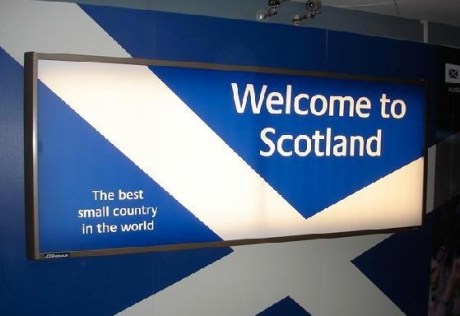
According to the report, if Scotland votes for independence, it would mean the UK was “a world power in irreversible decline”. Setting aside the question of whether we should expect folk to vote in the interests of geopolitical greatness, does being small mean you’re doomed to be weak? Not at all. The assumption that in geopolitics strength comes from scale is simply not true.
Read the rest of this entry →
Tags: Douglas Carswell
Category
analysis, comment, scottish politics, uk politics
This is her own agent calling it “apt”, not us, okay?

We’ll be watching avidly to see what her “did it really happen or not?” story is.
Category
comment, culture, scottish politics
This shouldn’t take long. Since 1997, and particularly since 2001, what passes for the political ideology of the Labour Party in Britain could be accurately summed up in one short phrase: be the smallest possible single step to the left of the Tories.
Protected by the grossly undemocratic First Past The Post electoral system – which discriminates massively against third parties and ensures that Labour or the Tories can secure huge, unassailable majorities on barely more than a third of the vote – Tony Blair’s brilliant, ruinous flash of political inspiration was the willingness to fully grasp the implication of that fact: that Labour could effectively all but become the Tories and still capture the left-wing vote, because that vote had nowhere else to go.

A bit like when there’s someone breathing right down your neck on a crowded train, that sent the Tories shuffling ever further along the political spectrum in an attempt to put some distance between them and their opponents, only to be confounded as Labour doggedly matched them step for step, constantly pressing their manifesto-groins into the Tories’ rear like some sort of hideous nerdy sex pest.
Read the rest of this entry →
Category
analysis, disturbing, scottish politics, uk politics
We don’t really want to spend all day discussing things from a single rapidly-declining minority-interest Unionist newspaper, but we spent 69p this morning buying a copy of the Scotsman in order to check some facts on the Susan Calman story, so we’re going to flipping well get our money’s worth.
The paper runs a rather odd piece today, in which the Labour-linked Centre for Public Policy for Regions is called upon to analyse a single Yes Scotland press release relating to the Scottish economy. (A boxout at the end promises a similar treatment for a “Better Together” leaflet at an unspecified point in the future.)

We’ve screenshotted the entire piece here if you want to read it without giving the Scotsman any traffic. But just to give you the flavour of the overarching (or underlying, depending on how you like to look at it) tone, below we’ve stripped out everything except the CPPR’s considered professional assessment.
Read the rest of this entry →
Tags: too wee too poor too stupid
Category
comment, media, scottish politics
We weren’t exactly shocked to see the Scotsman still trying to flog the “evil cybernats” routine this morning with another story about Susan Calman, with the paper seizing on some comments from Fiona Hyslop as their excuse to keep the issue alive.
Today’s article, though, is noticeably more restrained than yesterday’s. It’s liberally sprinkled with disclaimers and caveats noting that the threats and abuse had been alleged, rather than reporting them as empirical facts. It even notes that Ms Calman has declined to comment further on the supposed events, implying that there were questions to be answered.

Then we got to the comments, and things started to get a bit weird.
Read the rest of this entry →
Tags: memory holesmears
Category
analysis, disturbing, media, scottish politics