Hang on a minute. We just got yet another begging email from Labour.

Those vacancies sound familiar. The amount, not so much. £87,500?
Read the rest of this entry →
Category
comment, scottish politics, uk politics
The argument that seat projections based on current opinion polling give the SNP (based on uniform swing) a wildly unrealistic number of seats seems at first glance to be compelling. More than two dozen current Labour seats have five-figure majorities, and several are higher than 20,000. Taken individually every single one represents a mammoth task, and capturing the bulk of them looks an absurd dream.

We’re deeply sceptical ourselves about the predictions giving the SNP 40 or more seats, partly for that reason and partly because the lesson of 2011 – when the Nats somehow pulled off a 30-point poll shift in around six weeks – shows how foolish it is to call a febrile-looking election that’s still the best part of five months away.
So we’re not going to be doing that. We’re not making any forecasts here. Rather, we were interested in taking a look at how it could happen, and how First Past The Post, for so long the SNP’s mortal enemy, could next year become a powerful ally.
Read the rest of this entry →
Category
analysis, psephology, scottish politics, uk politics
An alert reader pointed us to the Labour “situations vacant” page:

Let’s do the sums on that.
Read the rest of this entry →
Category
scottish politics, stats
When Jim Murphy spoke on last night’s Scotland Tonight, he’d been the “leader” of Scottish Labour for approximately 60 hours. Here’s how he’s going to play it.
Let’s quickly examine those statements, shall we?
Read the rest of this entry →
Tags: flat-out lies
Category
comment, investigation, scottish politics
An intriguing extract from the weekend’s YouGov poll for The Sun:

It’s not the biggest vote of confidence, is it?
Read the rest of this entry →
Category
analysis, psephology, scottish politics, uk politics
We remain perplexed, readers, by the apparent total lack of interest in the mainstream Scottish media about how many members the Scottish Labour “party” has.
Membership levels are a topical subject in the light of the extraordinary explosion in SNP and Green membership after the referendum, and with a general election just months away in which the make-up of Westminster’s 59-strong Scottish contingent could be crucial to the shape of UK politics for the next five years.

The number of members the main Unionist party north of the border can call on to knock doors and deliver leaflets will therefore be a very significant factor in the outcome. Yet on this morning’s Sunday Politics, when presented with an ideal and pertinent opportunity to question new Scottish “leader” Jim Murphy on the subject, Gordon Brewer didn’t even try to ask. What’s with that?
Read the rest of this entry →
Category
analysis, investigation, media, scottish politics, stats
We suppose we should offer a few thoughts on this, then.

And we don’t mean Kezia Dugdale’s freakishly gigantic hands.
Read the rest of this entry →
Category
analysis, comment, scottish politics
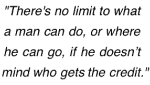
In an alternative universe, Keir Hardie reacts to news of the election of Jim Murphy.
Read the rest of this entry →
Category
comment, culture, scottish politics, video