So after all the kerfuffle and commotion and comedy, a deal was done, of sorts. The unsquareable circle wasn’t squared, but the day of facing up to it was punted down the line for five years, by which point everyone hopes that it’ll be someone else’s problem. (Which is certainly the case for David Cameron.)
Every newspaper in Scotland tomorrow will look like this:

But what else happened?
Read the rest of this entry →
Tags: The Vow
Category
analysis, comment, scottish politics
It’s quite incredible that someone with Jim Sillars’ political experience should be so naive about the tactics surrounding the EU referendum. Regardless of your feelings on the EU itself, there’s absolutely no point in any supporter of Scottish independence voting Leave this June, and here’s why.

Read the rest of this entry →
Tags: Douglas Daniel
Category
analysis, comment, europe, scottish politics, uk politics
Alert readers can’t have failed to notice a desperate Scottish Labour dusting off the old “Tartan Tories” attack on the SNP recently, over the Nats’ unwillingness to join in with Kezia Dugdale’s kerrazy kaper of hiking up income tax.

So after today we can only assume they’ll be looking for some similarly pithy zingers for their colleagues in Wales. They can have this one for free.
Read the rest of this entry →
Tags: and finallyhypocrisy
Category
comment, scottish politics, uk politics
It’s curious that as the Scotland Bill negotiations deadlock drags on, well beyond its original deadline of 12 February and now hurtling headlong towards the extended 23 February one with no sign of progress on the horizon, that nobody is remarking on one of the most striking facets of the new devolution proposals.

Remember “pooling and sharing”, readers? Whatever happened to that?
Read the rest of this entry →
Category
analysis, comment, scottish politics
Without a doubt our new favourite Unionist website is this one:

And it’s not just for the snazzy badges.
Read the rest of this entry →
Tags: flat-out liesmisinformation
Category
comment, media, scottish politics, stats, wtf
We saw a very interesting article on the London School of Economics website today.

It notes that in 2006, the year before the SNP came to power, 65% of Scots identified themselves as “Scottish not British” or “more Scottish than British”, but by 2014 – the year of the independence referendum – that number had fallen to just 49%.
It concludes, correctly, that just as we noted on Sunday, support for independence is fundamentally political in nature, not nationalist. But that only tells half the story.
Read the rest of this entry →
Tags: britnats
Category
analysis, comment, scottish politics
The Herald’s lead politics story this morning:

So Scotland currently has no debt? No responsibility for any share of the enormous £1.5 trillion burden run up by the UK? We’ll take that deal. Where do we sign?
Read the rest of this entry →
Category
comment, media, scottish politics
Barely a week – indeed, barely a day – has gone by over the last year or so without some angry, confused and hurt-sounding Unionist pundit or politician churning out yet another article on the theme of “WHY AREN’T YOU GRATEFUL THAT WE SAVED YOU FROM INDEPENDENCE, YOU APPALLING PLEBS?”

As far as the No side are concerned, the oil-price slump is a slam-dunk game-ender which finally conclusively proves that Scotland is too wee and too poor to run its own affairs, and their uncomprehending bewilderment as support for a Yes vote not only fails to disintegrate but keeps increasing even as the oil price sinks lower and lower has been quite a phenomenon to behold.
So we were interested to see today’s Sunday Times report a YouGov poll done for the comedy grumpy-old-white-guys support group (and spectacularly unsuccessful tactical voting enthusiasts) Scotland In Union, and somewhat miss the point of the results.
Read the rest of this entry →
Category
analysis, comment, media, scottish politics, stats
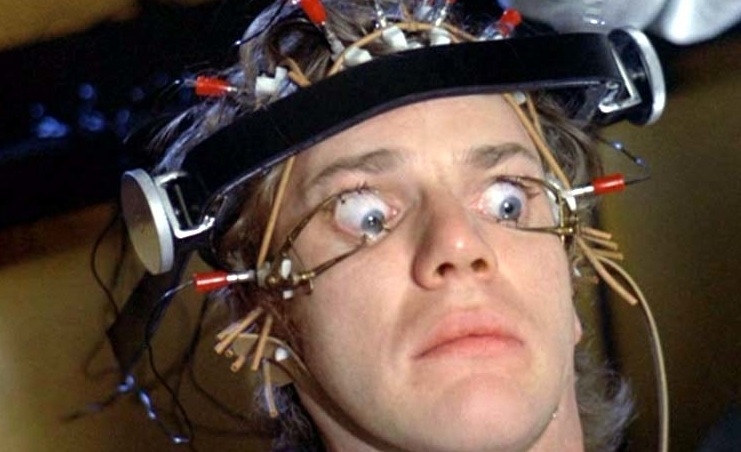
There’s nothing unusual about reading something in the Scottish media that makes your eyes widen. But a piece we saw in the Courier earlier today stretched ours out to Clockwork Orange-like proportions.

Now that’s a pretty intriguing opening (as the bishop said to the actress). At first we took it to mean that an independent Scotland could effectively take over Britain’s EU membership in the event of a Leave vote, ending any debate about whether and when it would be admitted on its own.
But then the punchline arrived.
Read the rest of this entry →
Category
analysis, comment, europe, scottish politics, uk politics, wtf
The title of this article is a phrase that people use when publishing a transcript of someone’s intended speech, to signify that this is what they INTENDED to say, but that the reader should verify it with the actual speech to check whether they did, because sometimes there are last-minute changes or the person simply forgets bits.

The above is Kezia Dugdale’s scripted speech to the Scottish Labour conference in October 2015, just 94 days before calling for an income tax increase for “hundreds of thousands of working Scots”.
Sometimes leaving stuff out by accident looks like the smart move.
Category
comment, history, scottish politics
There’s an interesting article in today’s Guardian about the clown-shoed fiasco of a position the Labour Party has contorted itself into over Trident. It correctly identifies the conflict between a party representing its actual membership and being controlled by its Parliamentarians who insist they know better than the people they’re supposed to speak for, but then right at the end veers off to an irrational conclusion.

Because the obsessive insistence of the vast majority of commentators that political parties – and they’re nearly always talking about Labour – must at all times pander to the centre ground leads inescapably to one logical endpoint: that all political parties should disband themselves immediately and forever.
Read the rest of this entry →
Category
analysis, comment, media, uk politics