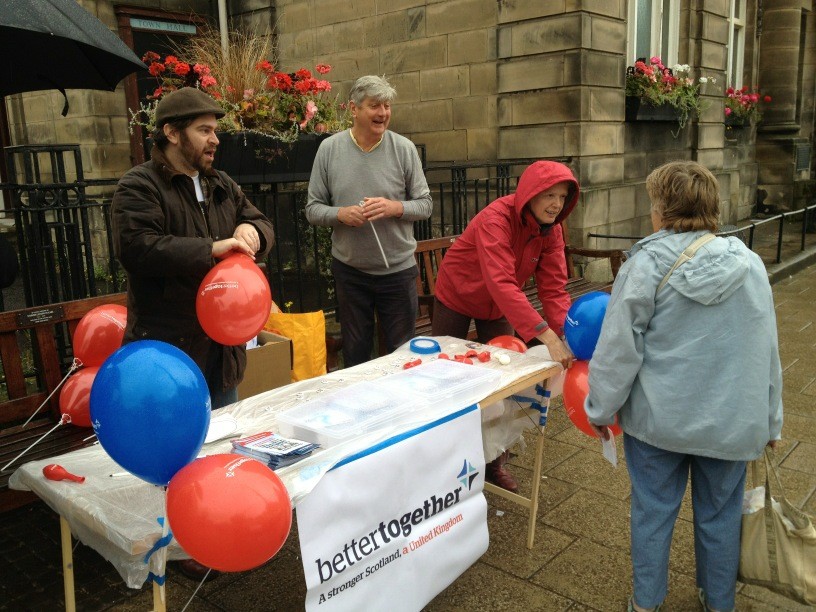
Alert readers will be aware that we like to occasionally have a bit of light-hearted satirical fun pointing out the gulf in numbers between grassroots campaigners on the Yes side of the independence debate and their counterparts in the No camp.

But we’ve been gathering evidence of a much more sinister side to the phenomenon.
Read the rest of this entry →
Tags: tallinn protocols
Category
analysis, comment, disturbing, scottish politics
This site spends much of its time highlighting major outbreaks of misrepresentation, spin, distortion and outright lying in the Scottish and UK media. Readers will be aware that we very rarely find ourselves short of material.

Which means that we don’t often have time to report the small stuff.
Read the rest of this entry →
Tags: misinformationsmears
Category
analysis, disturbing, media, scottish politics
We were up very late last night after a poker game. We think we might still be in some sort of fever dream, because however much we rub our eyes we can’t quite believe what we’re seeing in Scotland’s media this morning.

We’ll get to the bizarre story about the alleged hacking of Yes Scotland’s email and the No camp’s desperate, astonishing, barely believable attempts to whip up a smokescreen around it later. But first we want to take a quick look at something we missed yesterday in all the fundraising excitement, and which one of our indispensably alert readers brought our attention to.
Read the rest of this entry →
Tags: confusedmisinformation
Category
analysis, comment, disturbing, media, scottish politics
There’s a rather horrible article by Margaret Curran in the Scotsman today. (No real news there.) It’s a combination of empty noise and ugly smears about the pursuit of independence – an attempt to engage directly with the rest of the world in our own right – being xenophobic and inward-looking and all the usual rubbish.

But we thought it might be interesting to take a look at a single paragraph, examine it forensically and see what it was actually saying. We chose one from near the end, because to be honest we’d be amazed if anyone else had actually had the fortitude to wade that far through Curran’s plodding, will-sapping prose.
Read the rest of this entry →
Tags: one nationvote no get nothing
Category
analysis, comment, scottish politics, uk politics
Professor Michael E. Smith, the Chair of International Relations at the University of Aberdeen, is a man who it’s fair to say knows his onions when it comes to the politics of transatlantic defence. A native of the USA who describes himself as “increasingly intrigued about independence”, he’s written extensively on EU military and security policy, and also understands the internal machinations of NATO a touch better than plebs such as ourselves or even, dare we say it, Willie Rennie.

So we were extremely delighted when he agreed to give Wings Over Scotland an exclusive interview on the subject of an independent Scotland’s future relationship with the West’s main military alliance.
Read the rest of this entry →
Category
analysis, scottish politics, uk politics, world
Forgive us another rummage around in our poll data, but we didn’t do a lot of study into gender differences in our first wave of analysis, and we were struck by something this morning as we idly browsed through the question about what Scots were scared of.

Along with the fact that women were almost twice as likely – 38% to 22% – to be undecided about their referendum vote* as men (and indeed about most other votes), it was one of the areas where the differences between the sexes were most stark.
Read the rest of this entry →
Tags: poll
Category
analysis, culture, scottish politics
Labour’s shadow Scottish Secretary Margaret Curran is quoted in the Herald today presenting the award of £300m of contracts for the navy’s innovative new aircraft-free aircraft carriers as a benefit of the Union, and continuing the well-worn scare story that the Clyde and Rosyth shipyards would close in an independent Scotland.
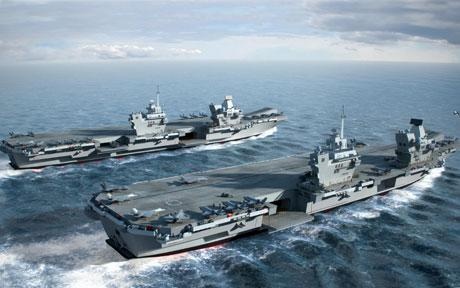
We’ve already dealt with that particular canard, so instead let’s look at the sums.
Read the rest of this entry →
Tags: arithmetic failproject fear
Category
analysis, comment, scottish politics, uk politics
We’ve already noted part of Willie Rennie’s appearance on Newnight Scotland this week, reinforcing the strange phenomenon by which the Unionist parties continue to suggest that an independent Scotland would be a dictatorial state more reminiscent of Zimbabwe than a modern western democracy with a proportionally-elected parliament.

But the full transcript of the segment (provided by our excellent and much-valued new transcribing department) adds a little meat to the bones. It’s fascinating stuff.
(NB YOUR PARAMETERS OF “FASCINATING” MAY VARY.)
Read the rest of this entry →
Category
analysis, comment, scottish politics, transcripts, uk politics
We haven’t bothered covering the latest confected anti-independence scare from a clearly bored political media before now, because it’s such a weak effort that in the interests of at least a vague impression of balanced journalism they haven’t been able to avoid undermining it themselves, without needing our help.

But hey, there’s not much happening this afternoon.
Read the rest of this entry →
Category
analysis, scottish politics, world
…to reporting of opinion polls in the Scottish media! These are all from today:
“More than half of Scots live on ready meals or takeaways at least three times a week, according to a new poll.”
Vital data, there. And definitely more interesting and important than learning that two-thirds of Scots don’t believe the promises of improved devolution after a No vote.
Read the rest of this entry →
Tags: poll
Category
analysis, media, stats
A particularly alert reader contacted us this morning with an observation so subtle it had totally escaped us, even though we’d seen both the things in question.

On last night’s BBC News at Six, the lead story – taking up over six minutes of the 30-minute show – was a steep 4.1% rise in English rail fares. The in-depth piece explicitly noted (at 5m 45s) that Scottish rail users would have a lower rise, saying “Passengers in Scotland will be better off, with season tickets capped at the rate of inflation” and also noting that no rises were planned in Northern Ireland and the decision in Wales was still to be made.
Reporting Scotland, immediately afterwards, took a different angle.
Read the rest of this entry →
Category
analysis, media, scottish politics, uk politics
In so far as there’s any actual reasoning or hard data supporting the Scotsman’s front-page lead story today at all, it’s when the American pundit Nate Silver claims that “Historically, in any Yes or No vote in a referendum, it’s actually the No side that tends to grow over time, people tend not to default to changing the status quo.”

Shall we just check whether that does indeed “tend” to be true, readers?
Read the rest of this entry →
Tags: flat-out liesmisinformationpoll
Category
analysis, comment, psephology, scottish politics, stats